As the years pass, we often focus on keeping our bodies nimble—stretching our limbs, watching our nutrition, and staying active. But our minds deserve that same level of dedicated care. Think of your brain not as an old machine that inevitably slows down, but as a garden. With the right sunlight, water, and “mental weeding,” it can continue to bloom beautifully well into your 60s, 70s, and beyond.
At Gorgeous Living, we believe that aging isn’t about slowing down; it’s about refining your focus on what truly nourishes you. Keeping the brain active is one of the most rewarding forms of self-care. It isn’t just about “preventing” something; it’s about enhancing your daily focus, sharpening your memory, and boosting your overall sense of wellbeing.
By incorporating simple, joyful daily habits, you can support your cognitive health while enjoying a peaceful, fulfilling lifestyle. Simple daily habits, such as puzzles and guided routines, can support mental clarity and relaxation. Our 7-Day Calm Brain Reset printable offers a gentle way to begin building these habits.
In this guide, we’ll explore seven simple brain activities for seniors that help improve memory, support mental clarity, and bring calm enjoyment to everyday life.
1. Word Search Puzzles – A Relaxing Brain Activity for Seniors
When we think about mental exercises for seniors, one of the most accessible and delightful tools is the humble word search. While it might feel like a simple pastime, there is a wealth of cognitive science happening behind the scenes when you scan a grid for hidden words.
Why Word Searches Work
Word searches stimulate the brain by engaging your “pattern recognition” abilities. As you hunt for a specific string of letters, your brain is practicing visual search and scanning, which are vital for maintaining focus. It requires a quiet, meditative concentration that pulls you away from the noise of the digital world and grounds you in the present moment.
The Benefit of Being Screen-Free
In an era of constant notifications, screen-free activities are a breath of fresh air. Engaging with a physical puzzle book reduces eye strain and helps lower cortisol levels. For many seniors, large-print puzzles are especially helpful, ensuring that the experience remains relaxing rather than a struggle with small text.
Calm & Relaxing Word Search by Gorgeous Living
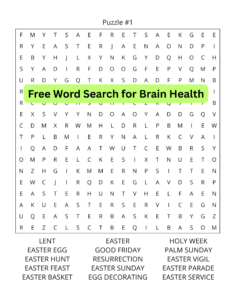
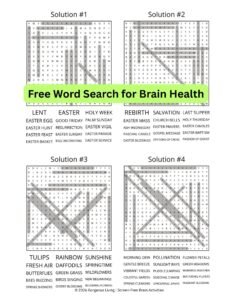
If you are looking for a place to start, our own Calm & Relaxing Word Search from Gorgeous Living offers large-print puzzles designed specifically for adults and seniors seeking calm, screen-free brain activities. If you enjoy printable puzzles you can complete at home, our Spring-Inspired Word Search Printable is another relaxing option. It combines the cognitive benefits of puzzle-solving with themes that evoke peace and nostalgia. It’s not just about finding words; it’s about taking twenty minutes for yourself to sit with a cup of tea and let your mind drift into a state of “flow.”
One of the easiest and most relaxing ways to keep your mind active is with printable word search puzzles. You can try a free Spring-Inspired Word Search sample here.
2. Reading Daily to Keep the Brain Sharp After 60
If you want to keep your brain sharp after 60, there is perhaps no habit more transformative than daily reading. Whether it’s a gripping mystery novel, a biography of a historical figure, or a specialized magazine about gardening, the act of reading is a full-body workout for the mind.
Expanding the Mind
Reading requires the brain to process complex information, follow narrative arcs, and visualize scenes. This improves comprehension and keeps your vocabulary fluid. Studies have shown that seniors who read regularly have a lower rate of cognitive decline because the “mental effort” required to process language builds a stronger cognitive reserve.
Emotional Connection
Beyond the logic, reading fosters empathy and emotional intelligence. When we read about characters or real-life heroes, we engage the parts of our brain responsible for social connection. If you find heavy novels difficult to focus on, don’t worry—short stories, poetry, or even educational essays provide the same “brain-gym” benefits in smaller, more manageable doses.
3. Simple Memory Recall Exercises
We all have those “tip of the tongue” moments, but you can actually train your brain to retrieve information more efficiently through memory activities for elderly adults that can be done anywhere.
The Grocery List Challenge
Next time you head to the store, write your list down but try not to look at it until you’ve reached the final aisle. Try to recall the items by category (e.g., “What were the three green vegetables I needed?”). This “chunking” method helps the brain organize and retrieve data.
Reflecting on the Day
Before you go to sleep, try to mentally review your day in chronological order. What did you have for breakfast? Who did you speak to on the phone? What was the color of the bird you saw on the porch? This simple exercise strengthens the pathways between short-term and long-term memory.
Journeying Through the Past
Reminiscence is a powerful tool. Try to recall a specific childhood event—perhaps a birthday party or a school trip—and try to remember five specific sensory details: a smell, a sound, a color, a taste, and a feeling. These brain games for adults don’t require a board or a deck of cards; they only require a few moments of quiet reflection.
Many people enjoy combining memory exercises with structured routines such as the 7-Day Calm Brain Reset, which gently guides daily brain activities.
4. Light Journaling for Emotional Clarity
Journaling is often viewed as a way to record history, but it is also one of the best cognitive activities for seniors at home. It bridges the gap between thought and physical action, requiring the brain to synthesize feelings into words.
Gratitude Journaling
You don’t need to write pages of prose. A “Line-a-Day” or gratitude journal is a wonderful way to start. Writing down three things you are grateful for each morning stimulates the brain’s reward center and fosters a positive outlook.
Processing Thoughts
Writing helps “clear the clutter.” When we put our worries or our schedules on paper, we free up “working memory” in the brain. This can lead to better sleep and improved focus throughout the rest of the day. If handwriting is difficult, even typing a few notes on a tablet or recording a voice journal can provide similar emotional and cognitive release.
5. The Spark of Learning Something New
The brain is “plastic,” meaning it has the ability to change and grow at any age. This phenomenon, known as neuroplasticity, is triggered most effectively when we step outside our comfort zones and learn something new.
Hobbies and Crafts
Engaging in a new hobby—like watercolor painting, knitting, or basic woodworking—requires the brain to coordinate fine motor skills with creative decision-making. These activities build new neural pathways. Even if the end result isn’t a “masterpiece,” the process of learning the steps is what provides the cognitive boost.
Language and Phrases
You don’t need to become fluent in a new language to benefit. Learning just a few phrases a week—perhaps how to say “hello” or “thank you” in five different languages—challenges the brain’s auditory processing and memory. It’s a fun, low-pressure way to keep the mind agile and globally connected.
6. Gentle Physical Movement for Brain Health
We often separate “physical exercise” from “mental exercise,” but the two are inextricably linked. Blood flow is the brain’s best friend. When you move your body, you increase the oxygen levels in your blood, which directly supports brain cell health.
Walking and Nature
A simple 20-minute walk, especially in nature, has been shown to improve memory and attention span. The “sensory input” of a walk—the changing scenery, the sound of wind, the feel of the pavement—keeps the brain engaged with its environment.
Stretching and Balance
Activities like Tai Chi or gentle chair yoga are fantastic for seniors. They require “proprioception”—the brain’s ability to understand where the body is in space. Balancing exercises specifically engage the cerebellum, the part of the brain responsible for coordination and motor control. By keeping your balance steady, you are literally keeping your brain’s “control center” in top shape.
Gentle daily habits are an important part of healthy aging. You may also enjoy our guide on simple daily habits that support healthy aging at home.
7. The Necessity of Quiet Mindfulness Time
In our quest to find the best brain activities for seniors, we must not overlook the power of doing nothing at all. Chronic stress is one of the leading contributors to “brain fog” and memory lapses. Mindfulness and meditation are the “reset button” the brain needs to function at its peak.
How Mindfulness Resets the Brain
Mindfulness isn’t about clearing your mind of all thoughts; it’s about observing them without judgment. This practice strengthens the prefrontal cortex, which is responsible for decision-making and emotional regulation. Just five minutes of deep breathing or guided meditation can lower your heart rate and allow your brain to recover from the “overload” of daily tasks.
Creating a Ritual
Find a “quiet corner” in your home. Use this space for your word searches, your reading, or your meditation. By creating a physical space for calm, you signal to your brain that it is safe to relax and recharge. A rested brain is a sharp brain.
Creating a Simple Daily Brain Routine
One of the easiest ways to support long-term brain health is to create a gentle daily routine.
For example:
• Morning – read a few pages of a book
• Afternoon – enjoy a short word search puzzle
• Evening – reflect on the day through journaling
Small habits practiced consistently often provide the greatest benefit for long-term cognitive wellbeing. Many readers enjoy starting their daily routine with a relaxing puzzle or guided activity from our brain wellness collection.
Conclusion: Building a Brain-Healthy Lifestyle
Supporting your brain health doesn’t require a radical lifestyle overhaul. It is found in the small, beautiful moments of your day: the satisfaction of finding the last word in a puzzle, the peace of a morning walk, and the curiosity of a new book.
By incorporating these mental exercises for seniors into your routine, you aren’t just “passing the time.” You are actively investing in your independence, your mood, and your ability to connect with the people you love. Remember, the goal is not perfection—it’s engagement. Choose activities that bring you joy, because a happy brain is a healthy one.
At Gorgeous Living, we are dedicated to providing the tools you need to live a vibrant, mindful life. Whether it’s through our soothing puzzle books or our daily wellness tips, we are here to support you on your journey toward healthy aging. If you’d like to explore more relaxing brain activities, visit the Gorgeous Living shop to discover calming puzzles and printable brain wellness tools.
Take the Next Step for Your Mind
Ready to start your brain-wellness journey today?
If you enjoy peaceful brain activities, you may enjoy exploring our relaxing puzzle collections designed for adults and seniors.
Our Brain Wellness Series, Calm & Relaxing Word Search and Calm & Cozy Word Search puzzle book, as well as printable brain games offers large-print puzzles created to encourage focus, relaxation, and screen-free mental stimulation.
Looking for a simple daily brain activity?
Download your free Spring-Inspired Word Search sample and enjoy a few calm, focused minutes today.
Frequently Asked Questions
What are the best brain activities for seniors?
Activities such as word search puzzles, reading, journaling, memory exercises, and gentle physical movement are all effective ways to support cognitive health.
How often should seniors do brain exercises?
Even 10–20 minutes of mental activity each day can help support memory, focus, and overall brain wellness.
Do puzzles help keep the brain sharp?
Yes. Word searches and similar puzzles stimulate pattern recognition, attention, and memory recall, making them a relaxing way to engage the brain.